June 19, 1865 (there about), General Gordon Granger
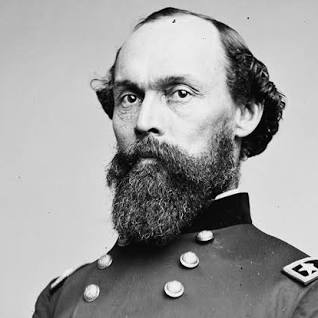
arrived on the island of Galveston, TX .
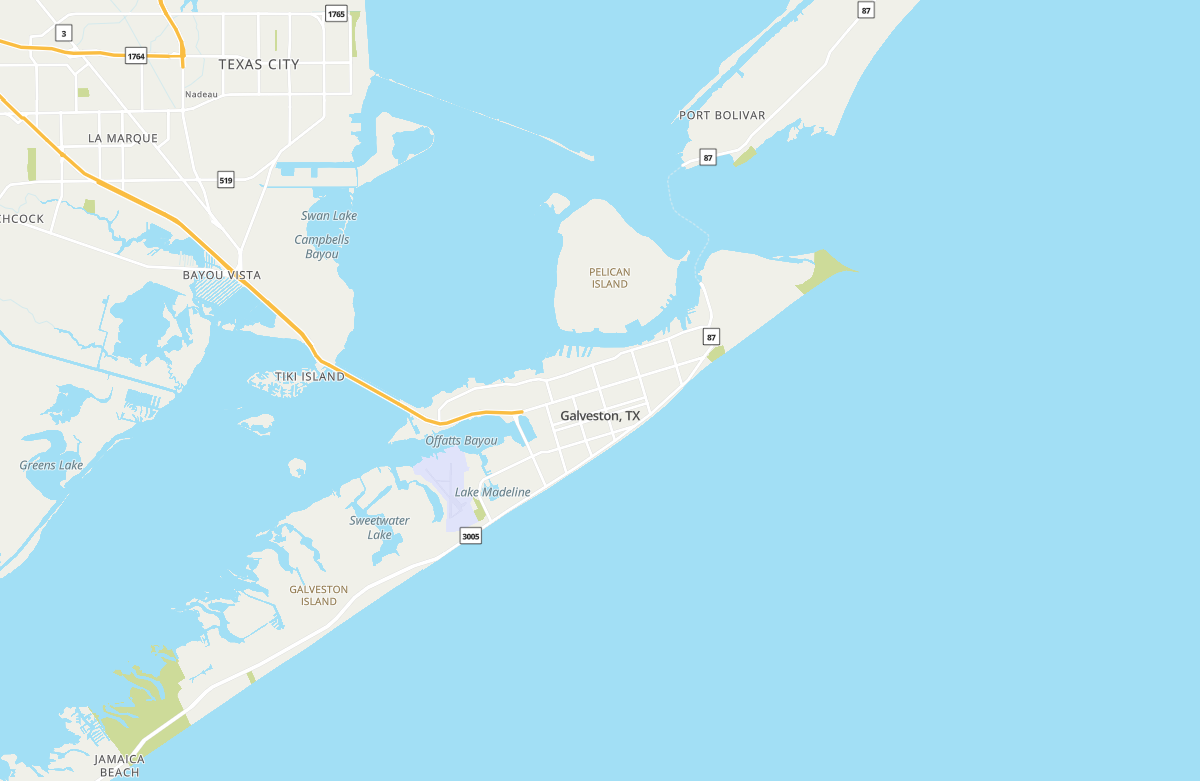
with General Order No. 3 declaring the practice of slavery is no longer allowed there, and that those held in slavery are now free.
That was then, June 19, 1865, the next day June 20, 1865 there were people still held in slavery, so, June 19, 1865 did not end slavery in the United States of America; the ratification of the Thirteenth Amendment to the US Constitution by each state ended slavery in America (on the surface).
See you tomorrow, June 20, 2023.
Today is June 21, 2023 – slavery was still being practiced on June 21, 1865, in the states, so Juneteenth can only be Freedom Day for those held in slavery in Galveston, TX. It bothers me to know that so many Black people have no clue, or knowledge of American history, and less about the history concerning Black people in America.
June 19, 2025 — Border States
- Delaware
- Kentucky
- Maryland
- Missouri
- West Virginia
“I hope to have God on my side,” Abraham Lincoln is reported to have said early in the war, “but I must have Kentucky” (GIENAPP, n.d.).
| Number of Slaves and Total Population in 1860 (GIENAPP, n.d.). | |||
| Region | Slave | Population | Proportion (%) |
| Border States[3] | |||
| Delaware | 1,798 | 112,212 | 1.6 |
| Maryland | 87,189 | 687,049 | 12.7 |
| Kentucky | 225,483 | 1,155,651 | 19.5 |
| Missouri | 114,931 | 1,181,912 | 9.7 |
| Upper South[4] | 1,208,758 | 4,168,723 | 29.0 |
| Deep South[5] | 2,312,352 | 4,868,449 | 47.5 |
| Source: James M. McPherson, The Negro’s Civil War (New York: Pantheon Books, 1965), Appendix A. | |||
There were five states that was allowed to carry on as slave states throughout the entire Civil War -Delaware, Kentucky, Maryland, Missouri, West Virginia (known as the border states); Tennessee was allowed to continue as a slave state once they rejoined the Union after they too, succeeded from the Union and joined in with the Confederates. The question becomes, what was the purpose of the Emancipation Proclamation?
The Emancipation Proclamation
The Emancipation Proclamation was a war act that only applied to the slave states that succeeded from the union. That is a fact, yes, it’s soothfast, and it does not matter how it is sugar coated to appease the palate of the masses. Make no mistake, history are events that occurred, and events are proven facts.
On September 22, 1862, President Abraham Lincoln issued the Emancipation Proclamation announcing that, on January 1, 1863, “that all persons held as slaves” within the rebellious areas “are, and henceforward shall be free” (Emancipation Proclamation (1863).
Transcript
By the President of the United States of America:
A Proclamation.
Whereas, on the twenty-second day of September, in the year of our Lord one thousand eight hundred and sixty-two, a proclamation was issued by the President of the United States, containing, among other things, the following, to wit:
“That on the first day of January, in the year of our Lord one thousand eight hundred and sixty-three, all persons held as slaves within any State or designated part of a State, the people whereof shall then be in rebellion against the United States, shall be then, thenceforward, and forever free; and the Executive Government of the United States, including the military and naval authority thereof, will recognize and maintain the freedom of such persons, and will do no act or acts to repress such persons, or any of them, in any efforts they may make for their actual freedom.
“That the Executive will, on the first day of January aforesaid, by proclamation, designate the States and parts of States, if any, in which the people thereof, respectively, shall then be in rebellion against the United States; and the fact that any State, or the people thereof, shall on that day be, in good faith, represented in the Congress of the United States by members chosen thereto at elections wherein a majority of the qualified voters of such State shall have participated, shall, in the absence of strong countervailing testimony, be deemed conclusive evidence that such State, and the people thereof, are not then in rebellion against the United States.”
Now, therefore I, Abraham Lincoln, President of the United States, by virtue of the power in me vested as Commander-in-Chief, of the Army and Navy of the United States in time of actual armed rebellion against the authority and government of the United States, and as a fit and necessary war measure for suppressing said rebellion, do, on this first day of January, in the year of our Lord one thousand eight hundred and sixty-three, and in accordance with my purpose so to do publicly proclaimed for the full period of one hundred days, from the day first above mentioned, order and designate as the States and parts of States wherein the people thereof respectively, are this day in rebellion against the United States, the following, to wit:
Arkansas, Texas, Louisiana, (except the Parishes of St. Bernard, Plaquemines, Jefferson, St. John, St. Charles, St. James Ascension, Assumption, Terrebonne, Lafourche, St. Mary, St. Martin, and Orleans, including the City of New Orleans) Mississippi, Alabama, Florida, Georgia, South Carolina, North Carolina, and Virginia, (except the forty-eight counties designated as West Virginia, and also the counties of Berkley, Accomac, Northampton, Elizabeth City, York, Princess Ann, and Norfolk, including the cities of Norfolk and Portsmouth[)], and which excepted parts, are for the present, left precisely as if this proclamation were not issued.
And by virtue of the power, and for the purpose aforesaid, I do order and declare that all persons held as slaves within said designated States, and parts of States, are, and henceforward shall be free; and that the Executive government of the United States, including the military and naval authorities thereof, will recognize and maintain the freedom of said persons.
And I hereby enjoin upon the people so declared to be free to abstain from all violence, unless in necessary self-defence; and I recommend to them that, in all cases when allowed, they labor faithfully for reasonable wages.
And I further declare and make known, that such persons of suitable condition, will be received into the armed service of the United States to garrison forts, positions, stations, and other places, and to man vessels of all sorts in said service.
And upon this act, sincerely believed to be an act of justice, warranted by the Constitution, upon military necessity, I invoke the considerate judgment of mankind, and the gracious favor of Almighty God.
In witness whereof, I have hereunto set my hand and caused the seal of the United States to be affixed.
Done at the City of Washington, this first day of January, in the year of our Lord one thousand eight hundred and sixty three, and of the Independence of the United States of America the eighty-seventh.
By the President: ABRAHAM LINCOLN
WILLIAM H. SEWARD, Secretary of State.
https://www.archives.gov/milestone-documents/emancipation-proclamation
Thirteenth Amendment
https://constitution.congress.gov/constitution/amendment-13/#amendment-13-section-1
Section 1
Neither slavery nor involuntary servitude, except as a punishment for crime whereof the party shall have been duly convicted, shall exist within the United States, or any place subject to their jurisdiction.
Section 2
Congress shall have power to enforce this article by appropriate legislation.
There is an explanation of the Thirteenth Amendment on the above website for each section of the amendment. Pay attention to this particular section, Slavery and Civil War Amdt13.2 Slavery and Civil War
It looks and sounds like what’s going on in the U.S. today.
Juneteenth Flag

Its design traces back to community activist Ben Haith, also known as “Boston Ben,” who envisioned a symbol that would capture the spirit of Juneteenth and its significance for generations to come. The inspiration for the flag emerged during Haith’s time working in New York City’s Madison Avenue district, where he realized the importance of creating a visual identity for the Juneteenth holiday. Unlike flags associated with Pan-African heritage, which typically feature red, green, and black, the Juneteenth flag is rich with red, white, and blue.
There is much more to learn about the Black people experience in American. Black History is American History. Be proud of your history, don’t forget it, never forget it, learn it, teach it, and speak about it. The Jews do not mind telling us about their historical experience outside of America (Germany, Poland …).
Celebrate Juneteenth each and every year.

 Sons & Daughters of Trans-Atlantic Afrika